
A public awareness initiative by Venus Remedies Limited

जागोWake up to antimicrobial resistance

JAAGO — Join the Action Against Growing Antibiotic Resistance & Overuse

Join the Action Against Growing
Antibiotic Resistance & Overuse

Antimicrobial resistance (AMR) is not a problem of tomorrow. It is a challenge we face today.

02 The challenge

Antimicrobial resistance is not tomorrow’s problem. It’s today’s.

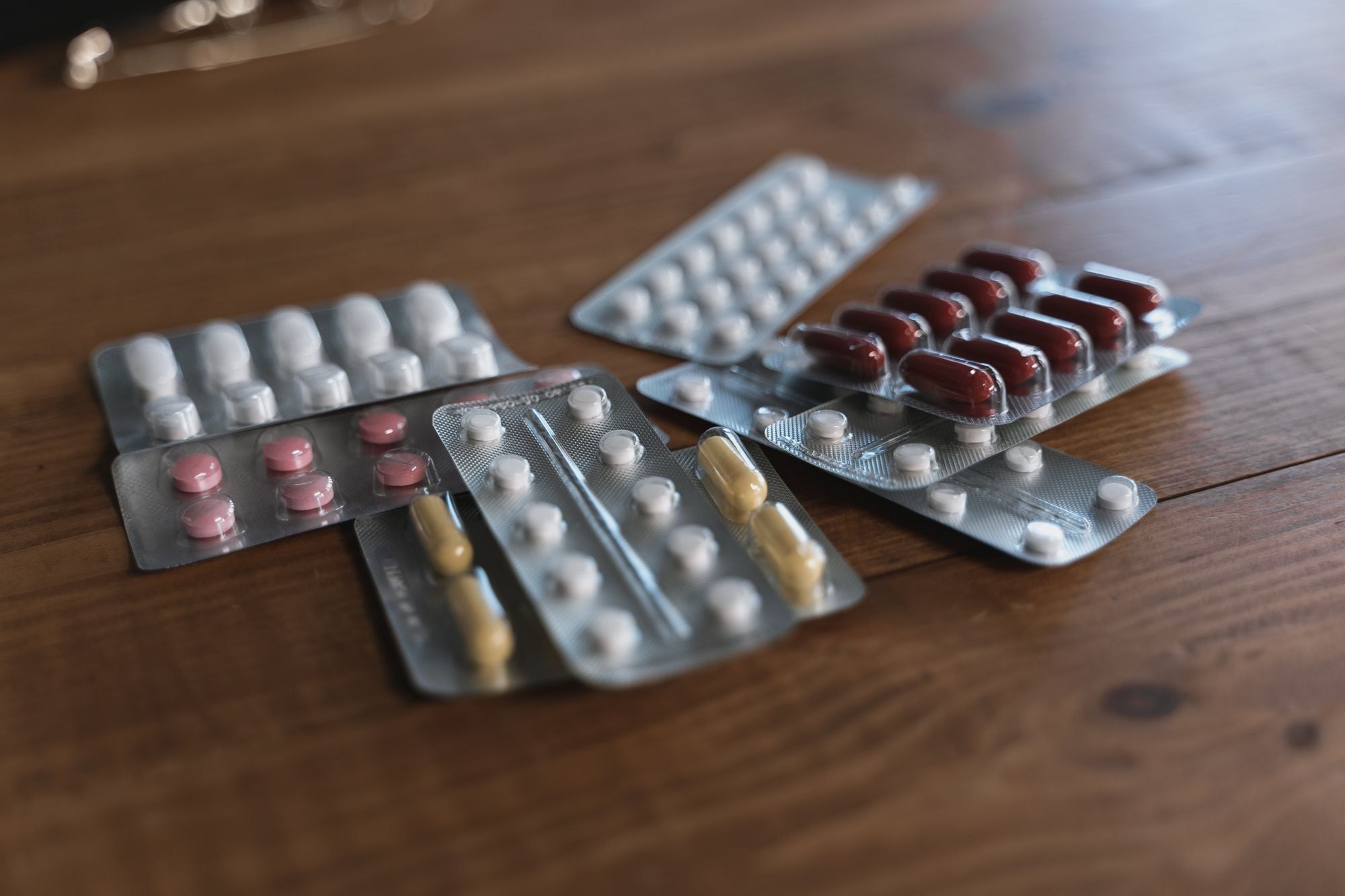
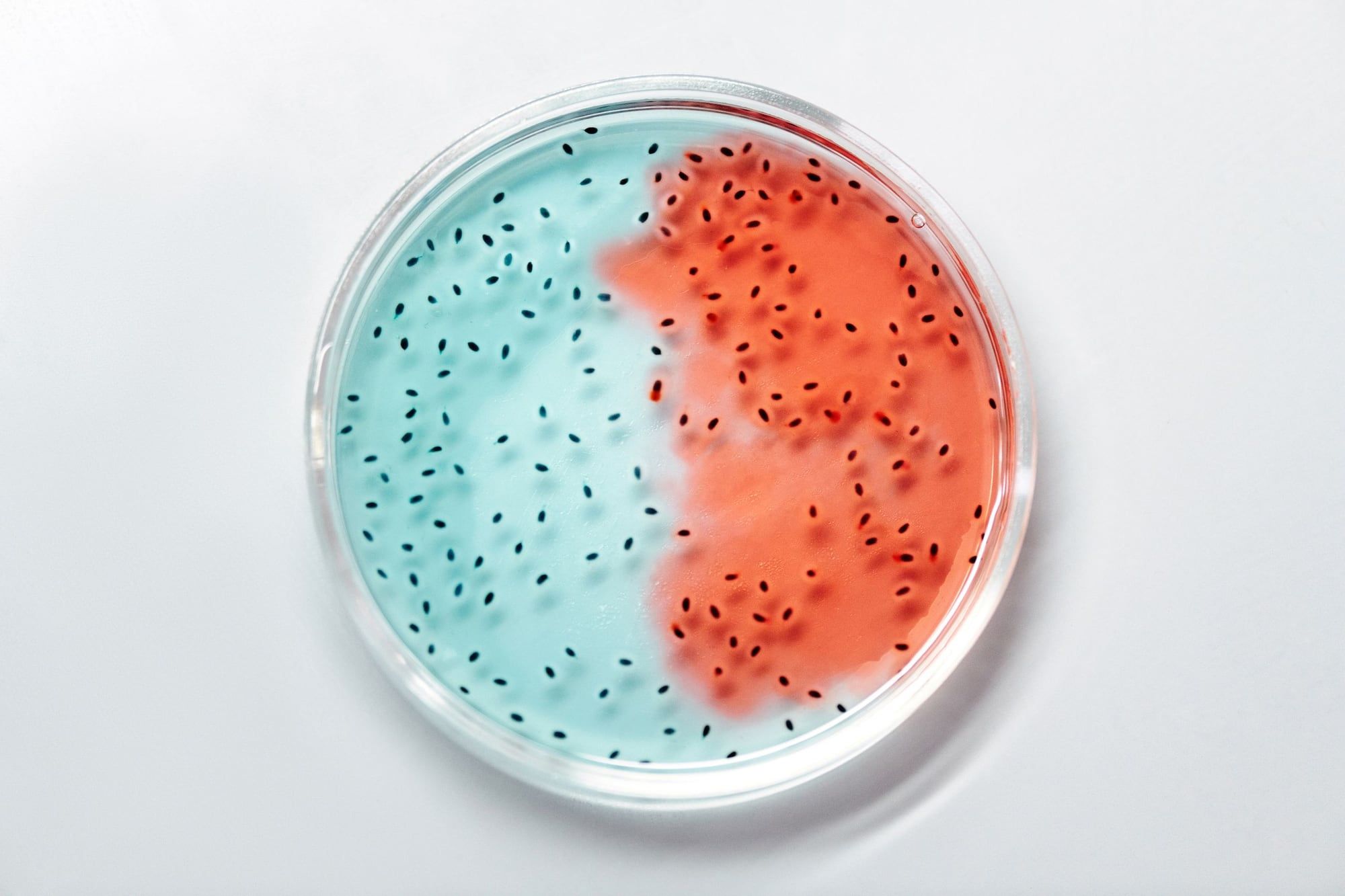
Medicines that once helped us treat infections effectively can become less effective when microorganisms develop resistance. This can make infections harder to treat and can put individuals, families and communities at greater risk.

A smiling young couple sit back to back on a white studio floor, the father holding their toddler daughter
Responsible antibiotic use protects families

03 About JAAGO

What is JAAGO?

JAAGO is a public awareness initiative by Venus Remedies Limited, focused on creating greater understanding of Antimicrobial Resistance (AMR) and encouraging responsible use of antimicrobial medicines.

जागो means “wake up”. JAAGO aims to bring antimicrobial resistance closer to everyday conversations — because antimicrobial resistance is not only a medical issue. It is an issue that can affect individuals, families, communities and future generations.

  1. 01J: Join the
  2. 02A: Action
  3. 03A: Against
  4. 04G: Growing Antibiotic Resistance &
  5. 05O: Overuse

04 Why JAAGO?

Antimicrobials transformed modern healthcare.

Antimicrobials have transformed modern healthcare. They help treat infections and support many medical procedures.

But when antimicrobials are used inappropriately or unnecessarily, resistance can develop and spread.

JAAGO aims to make the conversation around antimicrobial resistance simple, accessible and actionable.

  1. 01Simple
  2. 02Accessible
  3. 03Actionable
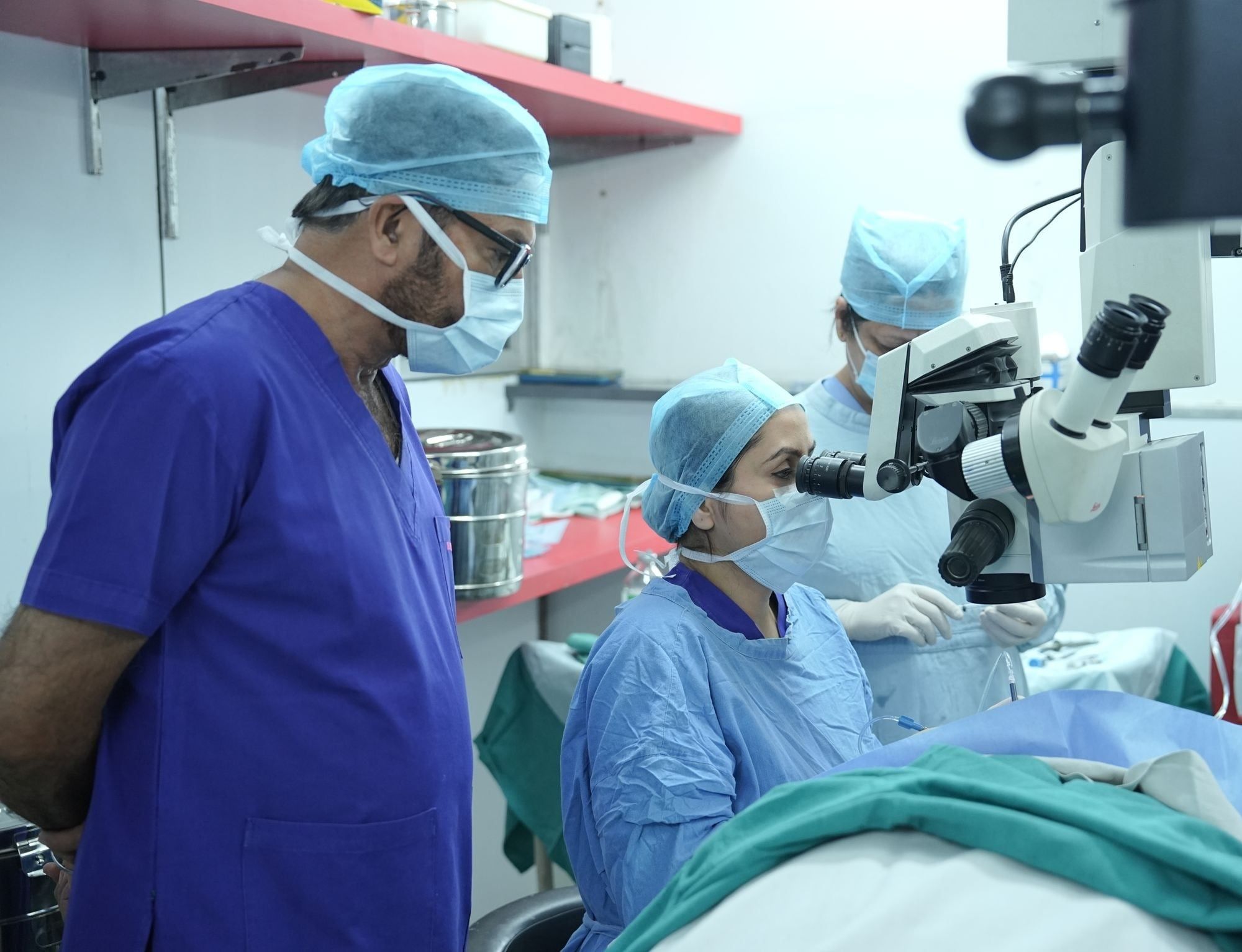
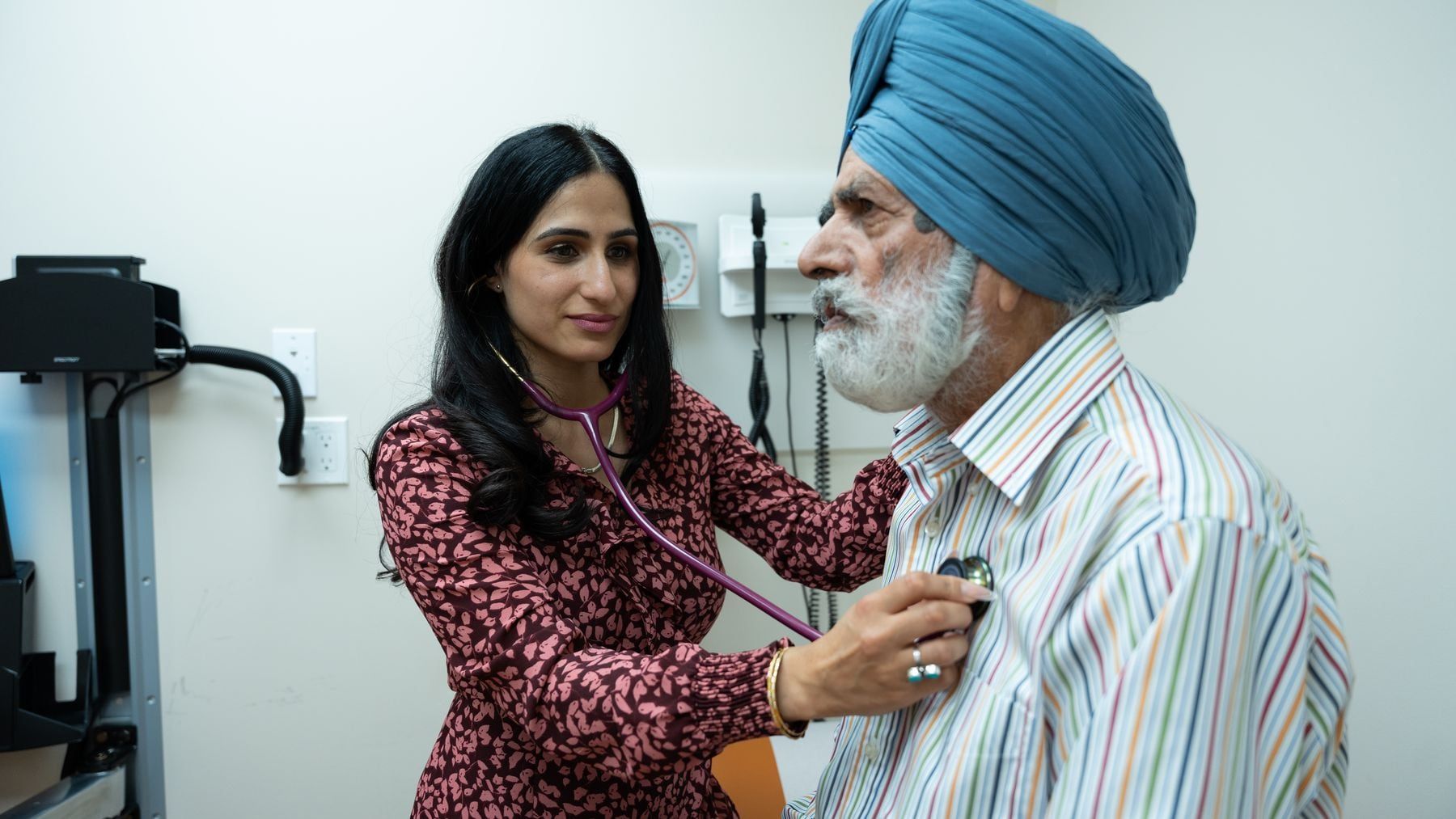
A surgical team in caps, masks and gowns performs eye surgery using an operating microscope in a New Delhi hospitalA healthcare worker listens to an older man’s chest with a stethoscope

Antimicrobials help make possible

  • Treating common infections
  • Safer surgery
  • Safer childbirth
  • Cancer treatment
  • Organ transplants

05 Leaders on antimicrobial resistance

Leaders have spoken. Now it’s our turn.

From India to the United Nations, leaders have called for antibiotics to be used responsibly, only when needed and only as directed.

Prime Minister Narendra Modi with folded hands in front of Indian flags

“Medicines require guidance, and antibiotics require doctors.”

Antibiotics are not medicines that should be taken mindlessly. They should be used only on the doctor’s advice. Nowadays, people have started believing that just taking a pill would cure all their problems. This is the reason, diseases and infections are proving to be too strong for these antibiotics. I urge all of you to refrain from using medicines at your own discretion. This is especially important when it comes to antibiotics. I would simply say: Medicines require guidance, and antibiotics require doctors. This practice will prove to be very helpful in improving your health.


Narendra ModiPrime Minister of IndiaMann Ki Baat · 28 December 2025

06 Our vision

An aware and responsible India, united to protect the power of antibiotics.

Our mission

To build nationwide awareness about antimicrobial resistance and encourage responsible antibiotic use through education, engagement, and collective action.

  1. 01EducationMake antimicrobial resistance simple to understand
  2. 02EngagementBring it into everyday conversations
  3. 03Collective actionProtect antibiotics together

07 Objectives & belief

Six commitments. One chain reaction.

Our belief

  1. Awareness can lead to understanding.
  2. Understanding can lead to action.
  3. And action can help protect our future.
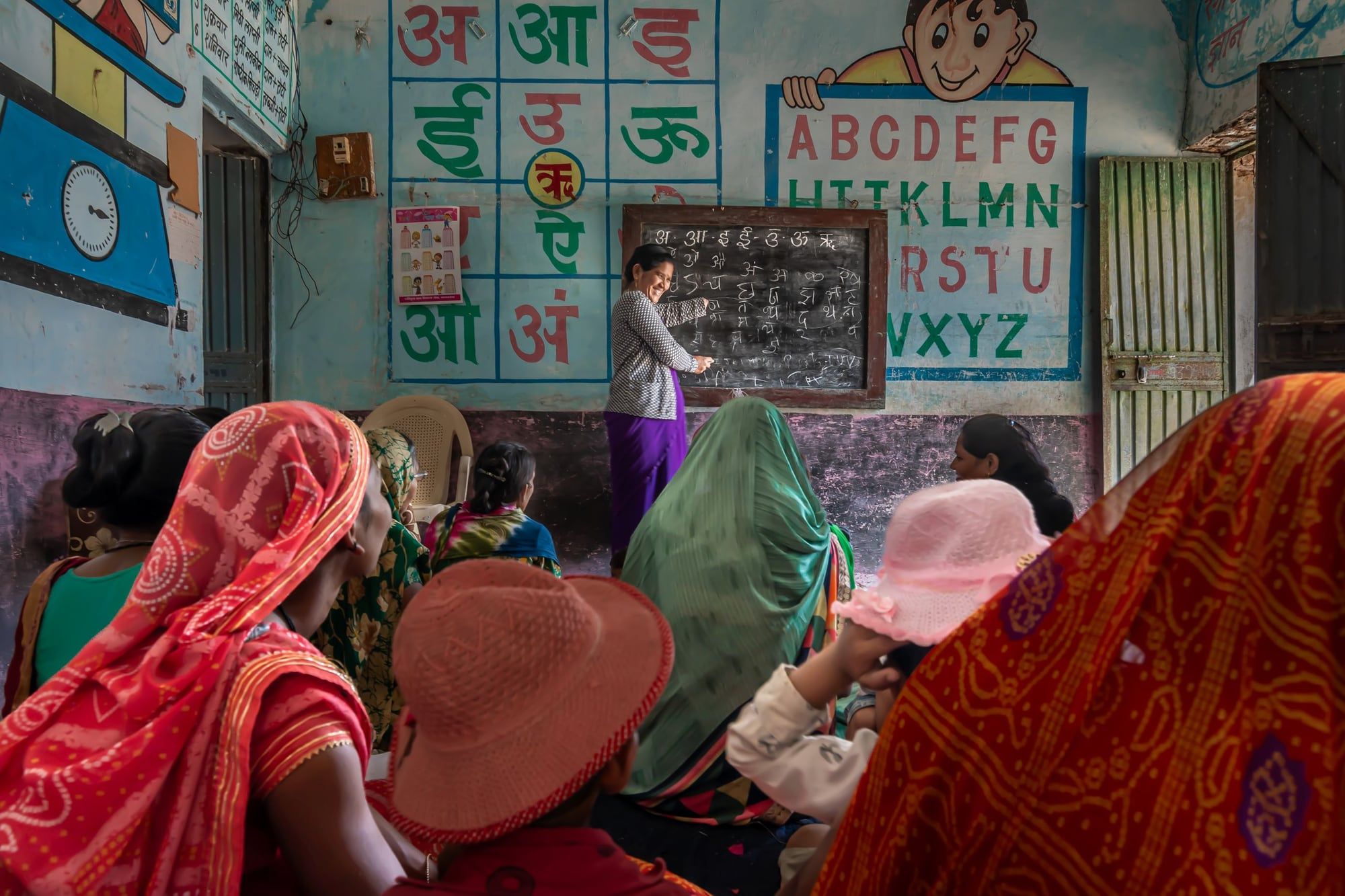
Women in bright saris sit in a rural classroom while a teacher writes on the blackboard
01/06

Educate

Make antimicrobial resistance easier to understand.

A young couple chat and laugh over cups of tea on the doorstep of their home
02/06

Create Awareness

Bring antimicrobial resistance into everyday conversations.

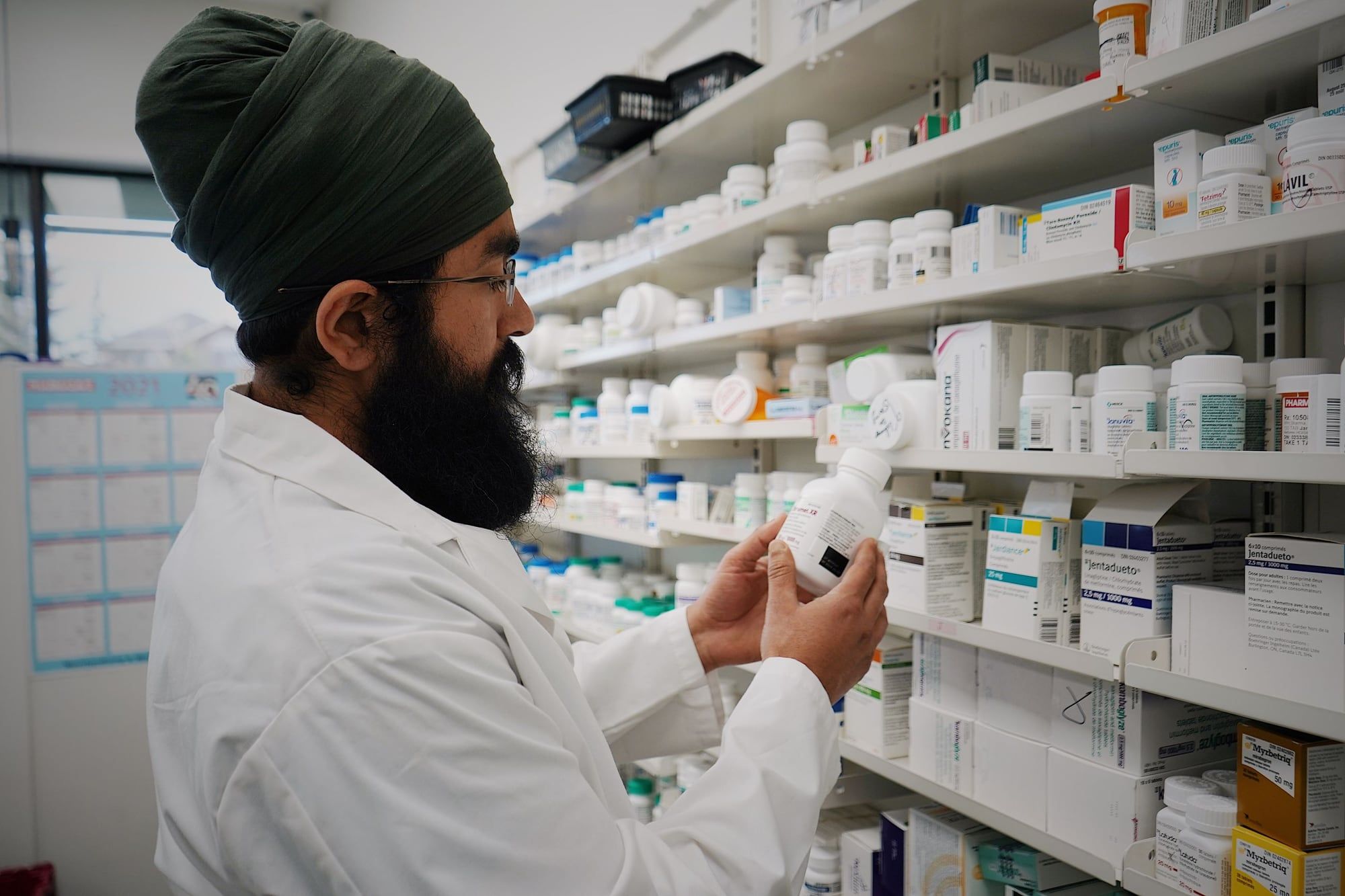
A pharmacist in a white coat reads the label on a medicine bottle in front of stocked shelves
03/06

Encourage Responsible Action

Promote appropriate and responsible antimicrobial use.

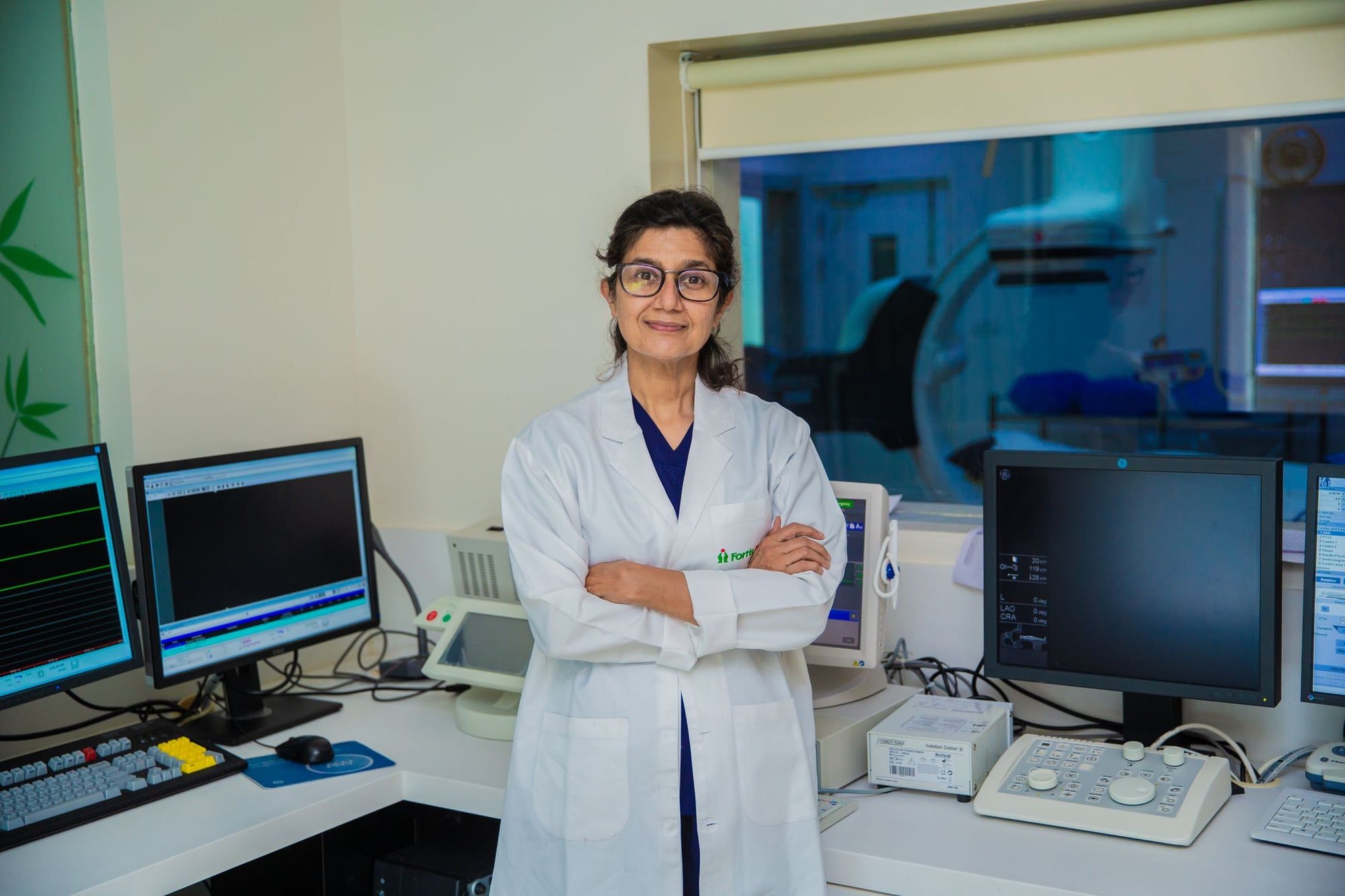
A doctor in a white coat stands with her arms crossed in a hospital monitoring room
04/06

Amplify Expert Voices

Provide credible information through doctors and healthcare professionals.

Learn from Doctors
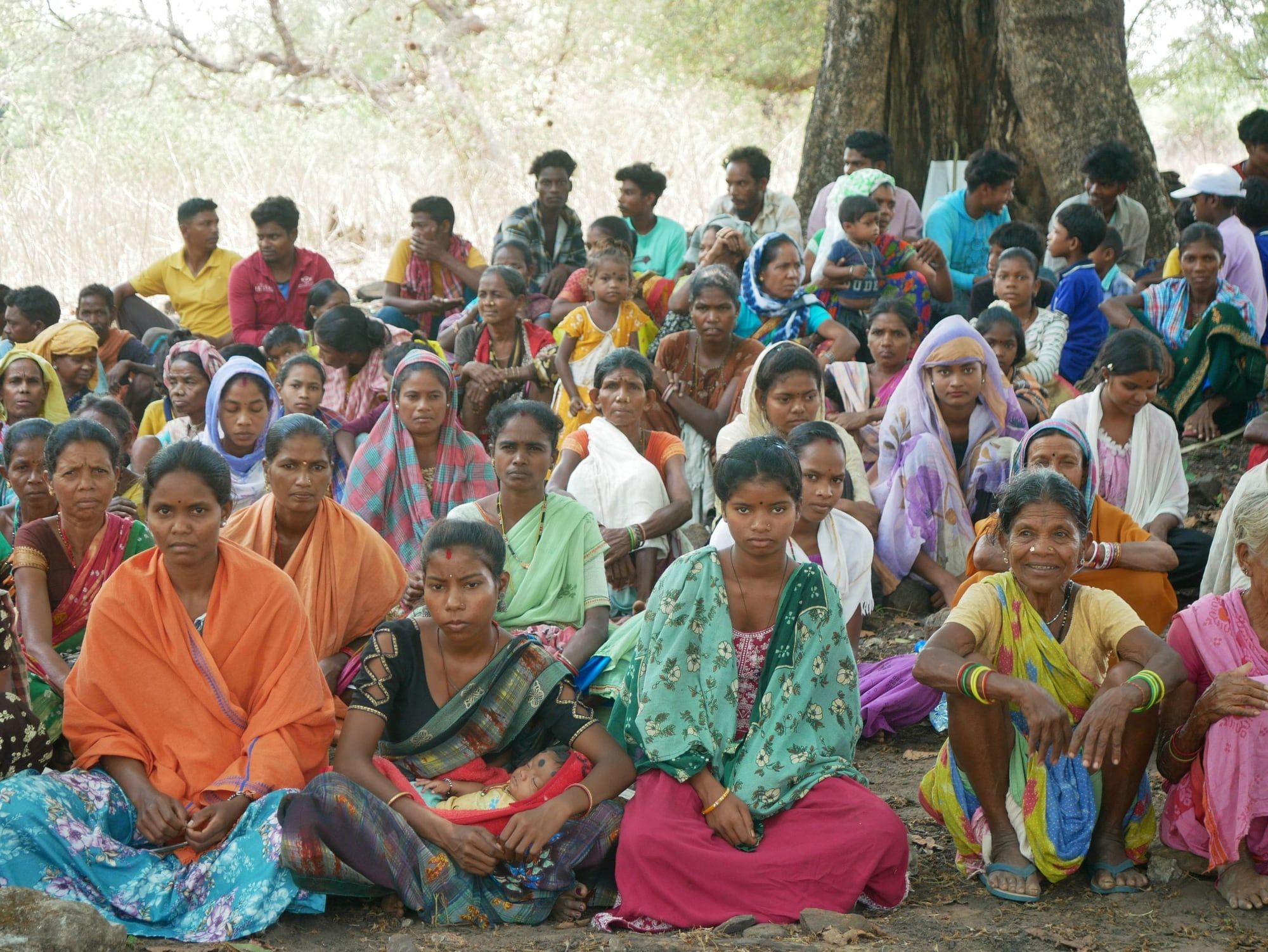
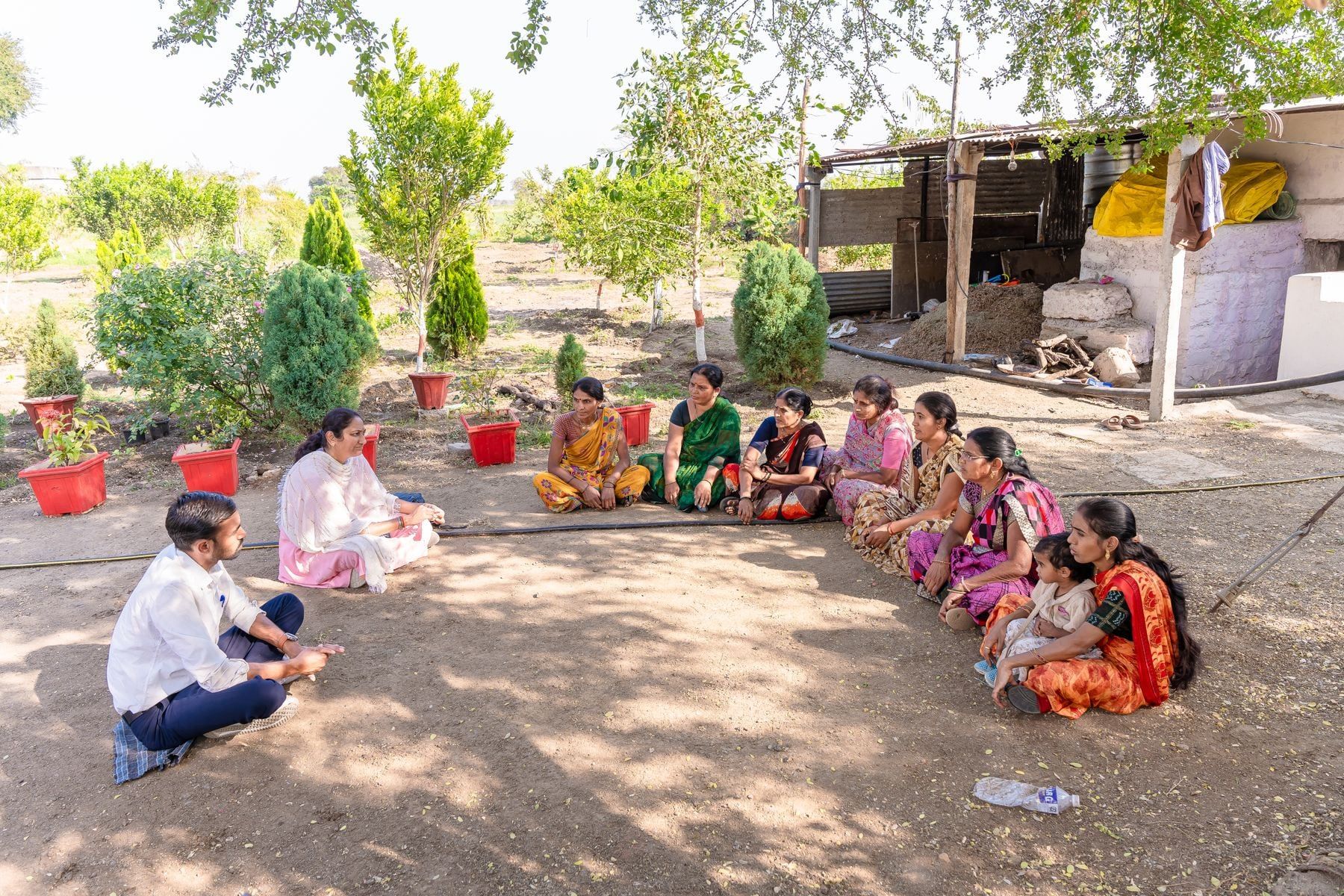
Women, men and children sit together on the ground at a village gathering under a tree
05/06

Engage Communities

Encourage people to participate, discuss and share.

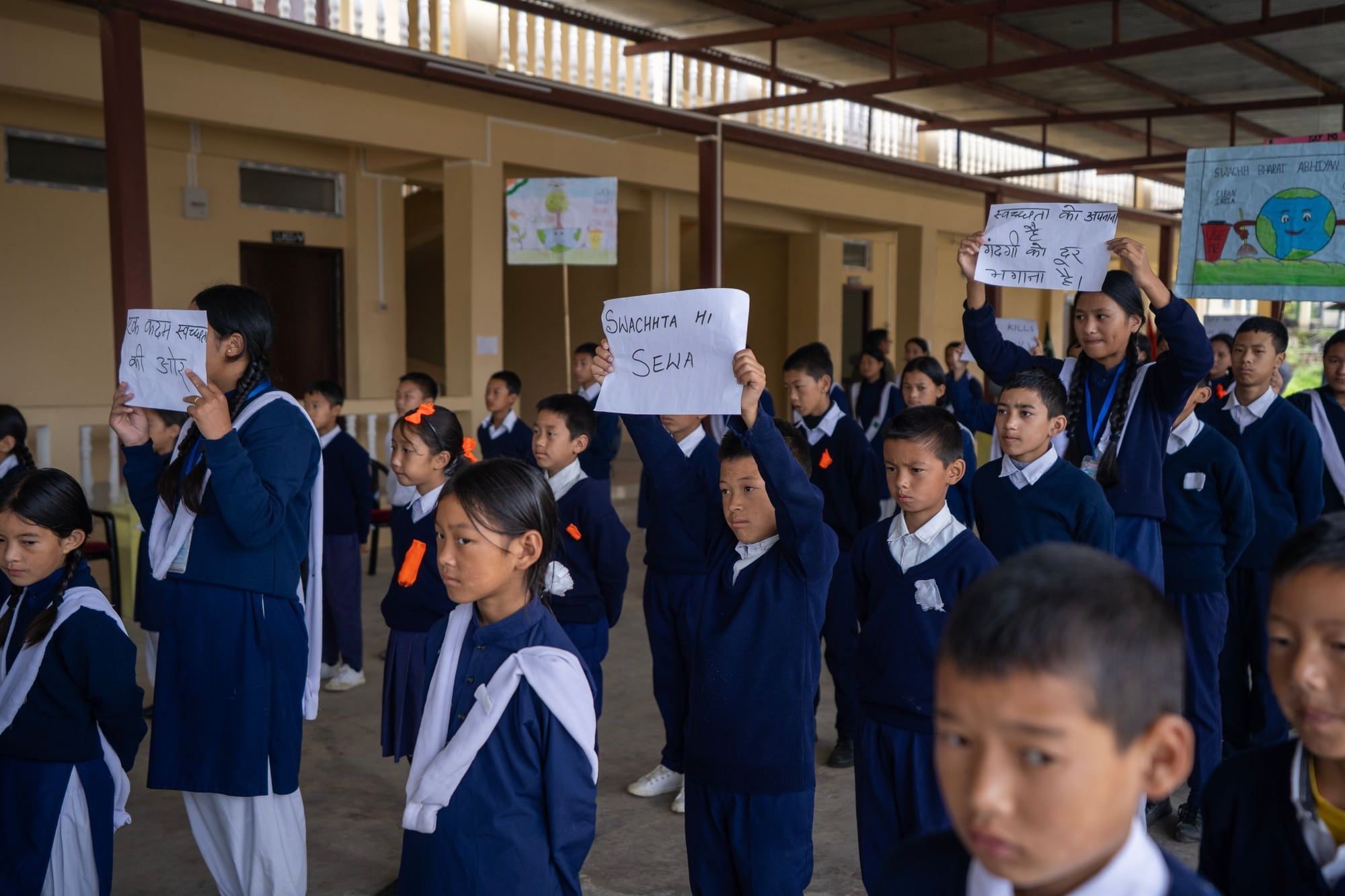
Schoolchildren in uniform hold up hand-made signs for a cleanliness campaign
06/06

Inspire Collective Action

Build a community committed to protecting the effectiveness of antimicrobials.

  1. 01

    Educate

    Make antimicrobial resistance easier to understand.

  2. 02

    Create Awareness

    Bring antimicrobial resistance into everyday conversations.

  3. 03

    Encourage Responsible Action

    Promote appropriate and responsible antimicrobial use.

  4. 04

    Amplify Expert Voices

    Provide credible information through doctors and healthcare professionals.

    Learn from Doctors
  5. 05

    Engage Communities

    Encourage people to participate, discuss and share.

  6. 06

    Inspire Collective Action

    Build a community committed to protecting the effectiveness of antimicrobials.

08 Understand antimicrobial resistance

Antibiotic resistance is increasing.

Antimicrobial resistance is not limited to rare diseases or hospital infections. It can affect infections that many of us experience, including urinary infections, stomach and intestinal infections, and serious bloodstream infections. In 2023, antibiotic resistance was found in approximately 1 in 3 urinary tract infections included in the WHO analysis.

Resistance increased in 7 of the 16 important bacteria-antibiotic combinations tracked globally between 2018 and 2023. Some of these involve antibiotics that doctors rely on for serious infections.

The report found some of the highest levels of antibiotic resistance in the South-East Asia Region, with resistance seen in almost 1 in 3 infections across the bacteria-antibiotic combinations analysed.

WHO GLASS 2025Increased resistance of the priority pathogen–antibiotic combinations analysed by WHO
Combinations with increased resistance (%)

WHO compared 2018 with 2023: resistance increased in 7 of the 16 priority pathogen–antibiotic combinations it tracked (43.8%). The line joins the 2018 starting point to that 2023 figure.

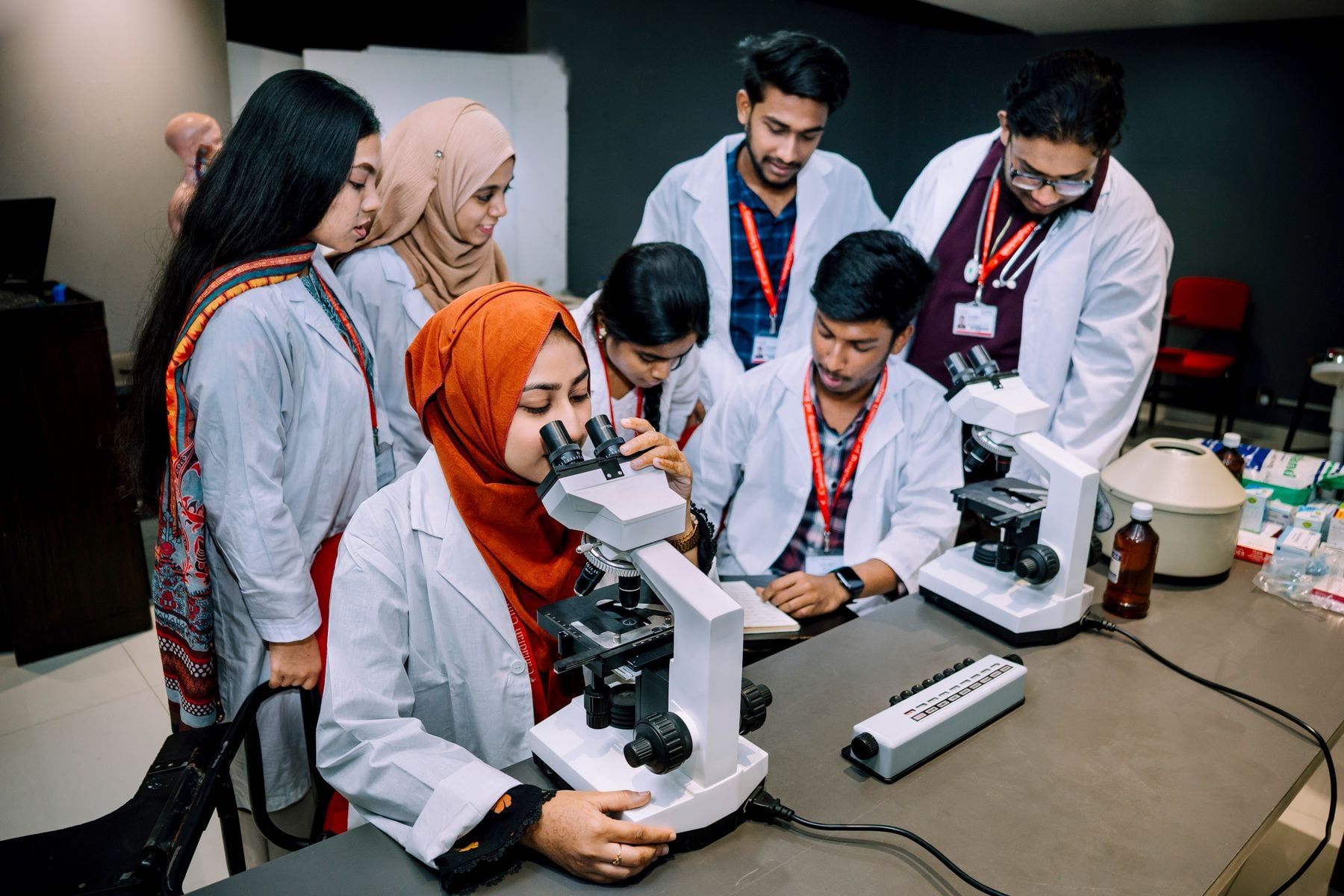
Students in lab coats work with microscopes in a teaching laboratory

1 in 3

urinary tract infections in the WHO analysis showed antibiotic resistance in 2023.

WHO GLASS 2025

Antimicrobial resistance is not a distant problem.

South-East Asia: resistance in almost 1 in 3 infections across the combinations analysed.

WHO GLASS 2025

Global burden · 2021

1.14M

deaths worldwide were linked to bacterial antimicrobial resistance in 2021.

GBD 2021 Antimicrobial Resistance Collaborators, Lancet 2024

09 How antimicrobial resistance happens

How does antimicrobial resistance affect an individual?

Imagine this…

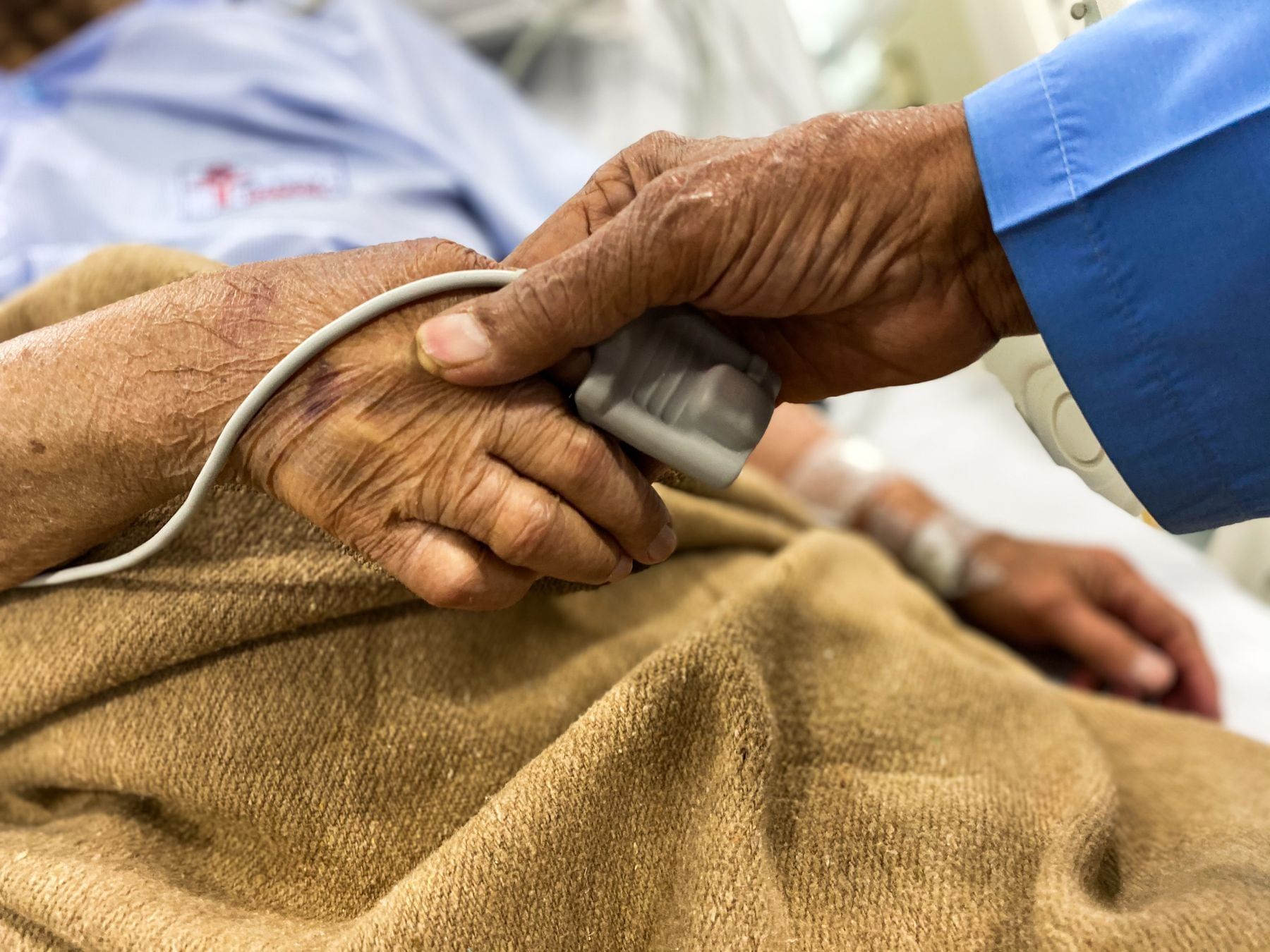
Admitted with an infection

You develop an infection.

  1. You develop an infection.
  2. You take an antibiotic when it isn't needed, take the wrong antibiotic, or don't use it as prescribed.
  3. Some bacteria may survive.
  4. Over time, resistant bacteria can spread.
  5. The next time an antibiotic is really needed, it may not work as expected.

10 Drivers of antimicrobial resistance

What can drive antimicrobial resistance?

WHO identifies misuse and overuse of antimicrobials, inadequate WASH, insufficient infection prevention and control etc, among important factors contributing to antimicrobial resistance.

Drivers of antimicrobial resistance identified by WHO

  1. Misuse & overuse

    Of antimicrobials, in people, animals and agriculture.

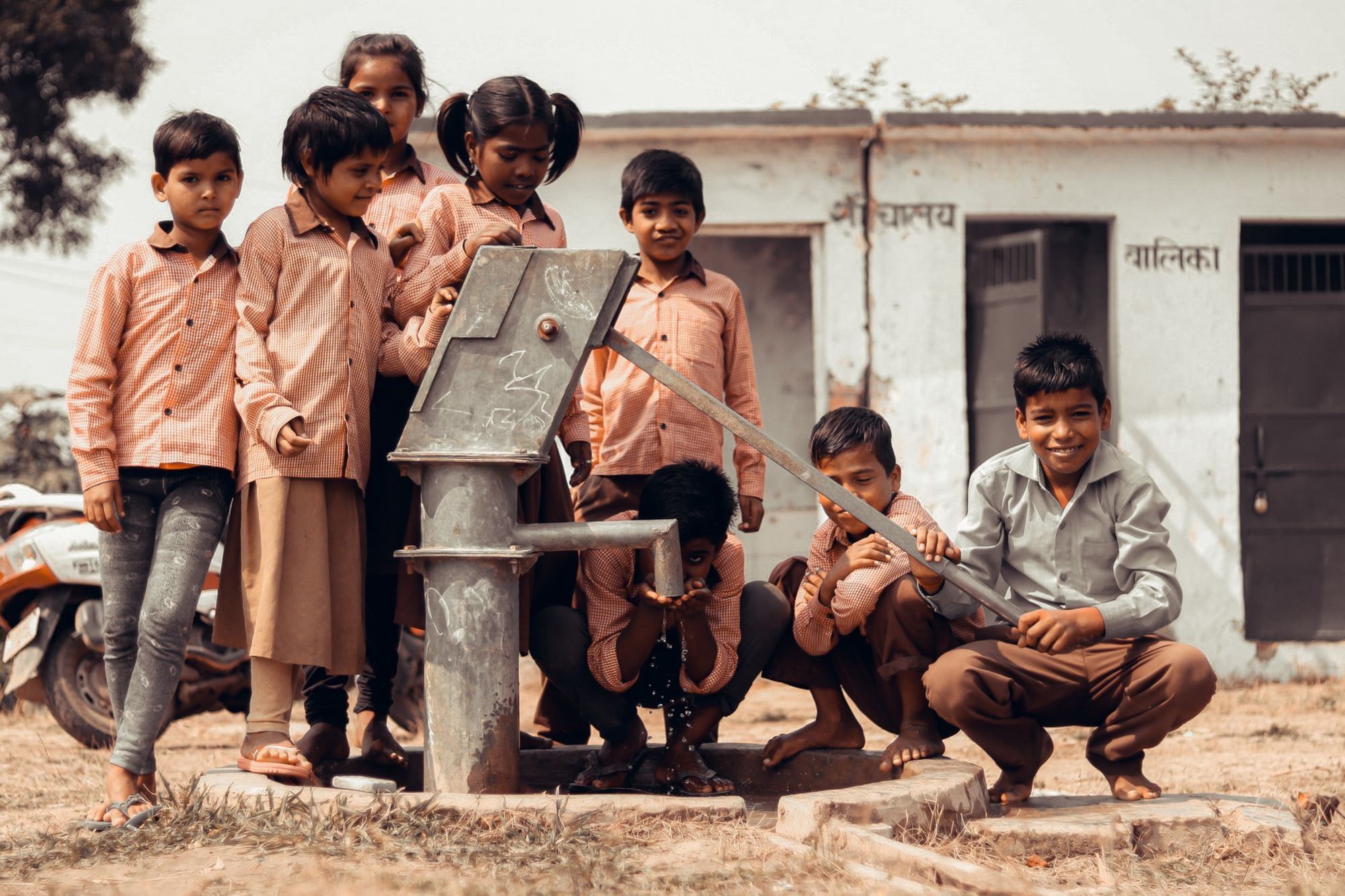
  2. Inadequate WASH

    Gaps in water, sanitation and hygiene.

  3. Insufficient IPC

    Weak infection prevention and control.

Antimicrobials
medicines such as antibiotics
WASH
water, sanitation and hygiene
IPC
infection prevention and control
What can you do?

11 Why does antimicrobial resistance matter?

Infections can spread anywhere.

Antimicrobial resistance can make infections more difficult to treat, increase the risk of severe illness and death, and place additional pressure on healthcare systems.

Antimicrobial resistance can affect anyone.

It can affect communities, healthcare facilities, animals, food systems and the environment.

  • Communities
  • Healthcare facilities
  • Animals
  • Food systems
  • The environment

ONE HEALTH

Antimicrobial resistance is a One Health issue.

Human health, animal health and environmental health are interconnected. Understanding this connection is essential to tackling antimicrobial resistance.

  • Antimicrobial resistance (AMR) makes infections difficult to treat and reduces the effectiveness of antimicrobial therapy.
  • The misuse and excessive use of antimicrobials in human medicine contribute to the development and spread of resistant bacteria.
  • Resistant bacteria can spread between humans, animals and the environment, increasing the risk of difficult-to-treat infections.

  • Antimicrobials are widely used in animals, including pets, farm animals, farmed fish and bees, for treatment, prevention and growth promotion.
  • Excessive and inappropriate use of antimicrobials in animal production can lead to the emergence of resistant bacteria.
  • Resistant bacteria can spread from animals to humans through close contact, food products and the environment.

  • Agricultural debris, pollutants and antimicrobial residues contribute to the spread of antimicrobial resistance in the environment.
  • Antimicrobial residues from animal excreta can enter soil and water bodies, creating conditions that promote the selection and spread of resistant bacteria.
  • Resistant bacteria can move between environmental, animal and human populations through interconnected ecosystems.

Ref: Maria Elena Velazquez-Meza et al. Antimicrobial resistance: One Health approach. Veterinary World, EISSN: 2231-0916, 2022

12 Antimicrobial resistance — Know the facts

Myth or fact?

Antimicrobial resistance can be surrounded by misconceptions. Let's separate fact from fiction.

Your score0/5

Statement 01 / 05

“Antibiotics can treat every infection.”

Did you know?

  • 1 in 6

    laboratory-confirmed bacterial infections worldwide were resistant to antibiotics in 2023.

    WHO Global Antibiotic Resistance Surveillance Report 2025 (GLASS)

  • 4.7M+

    deaths globally were associated with bacterial antimicrobial resistance in 2021.

    GBD 2021 Antimicrobial Resistance Collaborators, The Lancet (2024)

  • Now

    Antimicrobial resistance is happening now — not just in the future. WHO describes antimicrobial resistance as a major global health threat affecting health, food systems, economies and more.

    World Health Organization

13 Learn from doctors

Watch. Listen. Learn.

Doctors and experts explain antimicrobial resistance in simple language — recorded during the AWAKE India campaign.

Meet the experts

  • 19Doctor Videos
  • 9Expert Discussions
  • 2AMR Awareness Bytes

14 Everyday actions

What can you do?

Antibiotics are precious. Let's keep them working.

Antimicrobial resistance can seem like a big global challenge. But meaningful change can begin with everyday actions.

  1. 01/08

    Don't self-medicate with antibiotics

    Do not start antibiotics on your own just because you have used them before or because someone recommends them.

  2. 02/08

    Ask your doctor

    If you are prescribed an antimicrobial medicine, understand:

    • What is it for?
    • How should I take it?
    • How long should I take it?
  3. 03/08

    Never share antibiotics

    A medicine prescribed for one person may not be appropriate for another.

  4. 04/08

    Don't use leftover antibiotics

    Do not save or reuse leftover antibiotics without professional medical advice.

  5. 05/08

    Follow the prescription

    Take medicines exactly as advised by your healthcare professional.

  6. 06/08

    Prevent infections

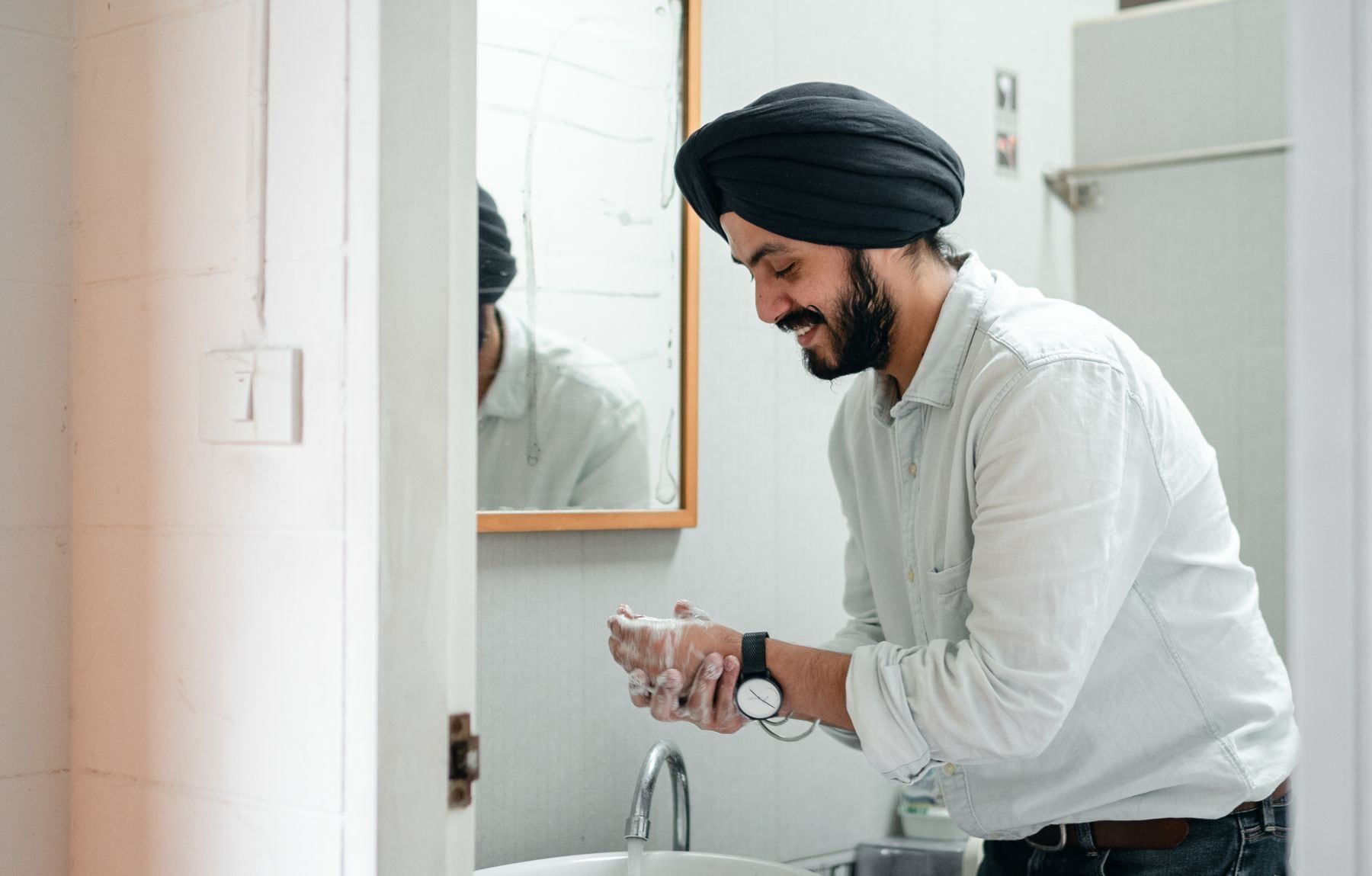
    Good hand hygiene, safe food practices, appropriate vaccination and infection-prevention measures can help reduce infections and the need for antimicrobial treatment.

  7. 07/08

    Don't pressure your doctor for antibiotics

    Sometimes the safest treatment is not an antibiotic.

  8. 08/08

    Spread awareness

    Talk to your family and friends about responsible antimicrobial use.

  9. Turn everyday actions into a pledge.

    Take the JAAGO Pledge

15 Take the JAAGO pledge

Small actions. Big impact.

0/6 · You can help slow antimicrobial resistance by: Tick what you already do.

Become an Antibiotic Protector.

Take the JAAGO Pledge and encourage others to understand responsible antimicrobial use.

Take the JAAGO Pledge 3 steps · 1 minute

16 Carried forward from AWAKE India

911 Antibiotic Protectors — and counting.

Doctors, educators, pharmacists, students and families pledged through AWAKE by PLEA Charitable Trust. Each card is a role — together, the foundation of JAAGO.

  • Professional

    478

    Doctor

    52.5% of all pledges
  • Academic

    142

    Educator

    15.6% of all pledges
  • Professional

    64

    Pharmacist

    7% of all pledges
  • Academic

    59

    Student

    6.5% of all pledges
  • Public

    50

    Adult

    5.5% of all pledges
  • Professional

    38

    Medical Representative

    4.2% of all pledges
  • Academic

    23

    Scientist

    2.5% of all pledges
  • Public

    20

    Family Member

    2.2% of all pledges
  • Professional

    13

    Antimicrobial/Infection Prevention and Control Specialist

    1.4% of all pledges
  • Professional

    9

    Nurse

    1% of all pledges
  • Professional

    8

    Local Authority and Public Health Team Member

    0.9% of all pledges
  • Professional

    6

    Public Health Executive/Government Official

    0.7% of all pledges
  • Professional

    1

    Dentist

    0.1% of all pledges
  • Your role could be next.

    Take the pledge

Source: AWAKE India pledge records, PLEA Charitable Trust

17 Stories & voices

Antimicrobial resistance is about people.

Behind every statistic is a person, a family, a healthcare professional or a community.

Stories & Voices brings together experiences and perspectives that help us understand why antimicrobial resistance matters.

Stories we share

  • Patient & Family Voices

    Personal experiences that highlight the importance of appropriate infection management.

  • Doctor Voices

    Insights from healthcare professionals working to prevent and manage resistant infections.

  • Community Voices

    What people know, believe and do about antibiotics and antimicrobial resistance.

  • Awareness Stories

    Stories from people and organisations taking action.

18 Campaign & events

World AMR Awareness Week

World AMR Awareness Week is observed annually from 18–24 November to increase awareness and understanding of antimicrobial resistance and promote action against drug-resistant infections.

Countdown

18–24 November

00Days
00Hours
00Minutes
00Seconds
Pledge before the week

Public awareness activities

20 Join the movement

JAAGO needs you.

Antimicrobial resistance cannot be addressed by one person, one profession or one organisation. Everyone has a role to play.

Take the JAAGO Pledge

22 Partners & supporters

Stronger together.

Industry, universities, research and the AWAKE pledge community — united around one ring.

An initiative by

Venus Remedies Limited

Panchkula, India

A research-driven Indian pharmaceutical company. JAAGO is its public awareness initiative on antimicrobial resistance and responsible antibiotic use.

venusremedies.com
Pledge partner

PLEA Charitable Trust

Ran AWAKE — Awareness Week on Antibiotic Knowledge & Education. Its 911+ Antibiotic Protector pledges carry forward into JAAGO.

pleatrust.com
Academic partner

Panjab University

Chandigarh

One of India’s oldest public universities, with departments spanning pharmaceutical, medical and life sciences.

puchd.ac.in
Academic partner

NIPER S.A.S. Nagar

Mohali

National Institute of Pharmaceutical Education and Research — an Institute of National Importance for pharmaceutical sciences.

niper.gov.in
Knowledge partner

CSIR-Institute of Microbial Technology

Chandigarh

A laboratory of the Council of Scientific & Industrial Research (CSIR), researching infectious diseases, microbial ecosystems and protein science, and home to the national Microbial Type Culture Collection and Gene Bank (MTCC).

imtech.res.in

23 Questions

Answers to common questions.

01What is antimicrobial resistance (AMR)?

Antimicrobial resistance happens when microorganisms develop resistance to the medicines that once treated them effectively. Infections can then become harder to treat, putting individuals, families and communities at greater risk.

02Do antibiotics work against a cold or the flu?

No. Antibiotics are designed to treat bacterial infections. They do not work against viral infections such as the common cold or influenza.

03Can I stop my antibiotic once I feel better?

Do not change or stop a prescribed treatment without consulting your healthcare professional. Follow the treatment instructions provided to you.

04Can I use leftover antibiotics, or share mine with someone who has similar symptoms?

No. The right treatment depends on the infection, individual circumstances and medical assessment. Medicines should not be shared, and leftover antibiotics should not be reused without professional medical advice.

05Who can be affected by antimicrobial resistance?

Anyone. Antimicrobial resistance does not stop at hospital doors — it can affect communities, healthcare facilities, animals, food systems and the environment. That is why antimicrobial resistance is a One Health issue.

06What is the JAAGO Pledge?

An online pledge that encourages people to commit to responsible antibiotic use. Choose your role, select a pledge and receive a personalised Antibiotic Protector certificate to download and share.

& Contact us

Let’s talk.

Topic

Ask the Experts

Have a question about antimicrobial resistance?

Submit your question and our expert panel may address it in an upcoming JAAGO Conversation.

JAAGO Conversations share general awareness information and cannot give personal medical advice.

Choose your language

Indian languages

International languages